BySonu
A Practical Look at 7405203346 and the Difficulties Users May Encounter
A practical look at 7405203346 frames it as a concrete, user-facing construct rather than a mere label. The discussion centers on real outcomes, practical workflows, and measurable friction. It highlights accessibility gaps, device compatibility issues, and ambiguous interfaces that erode trust. Privacy and data accuracy are treated as core constraints. Diagnostic steps are kept objective, repeatable, and focused on latency and autonomy, guiding iterative improvements—while questions linger about how these changes will translate to everyday use.
What 7405203346 Really Represents in Practice
The term 7405203346 serves as a practical placeholder for a distinct user-facing construct rather than a mere numeric label.
This analysis presents a clear, iterative view of what the discussed concept embodies, emphasizing user experience and measurable outcomes.
It outlines real world implications, guiding readers toward informed choices, flexible workflows, and empowered, autonomous interaction with evolving interfaces.
Common Accessibility and Compatibility Hurdles
Accessibility and compatibility hurdles frequently arise when translating the practical framework of 7405203346 into real user experiences. Studies show iterative workflows reveal divergent needs across devices, browsers, and assistive tech, highlighting practical friction points. Users seek autonomy and clarity, while researchers document privacy concerns and strive for data accuracy, guiding inclusive refinements without punitive constraints or excessive jargon.
Privacy, Data Accuracy, and Trust Considerations
How do privacy, data accuracy, and trust shape user experiences when translating the 7405203346 framework into practice? The study observes user interactions, emphasizing privacy concerns and data integrity as core constraints. An empirical, iterative lens reveals how transparent data handling boosts engagement, while gaps prompt adaptation. Trust emerges from verifiable practices, consistent outcomes, and respect for user autonomy across iterations.
Practical Troubleshooting and Best-Case Scenarios
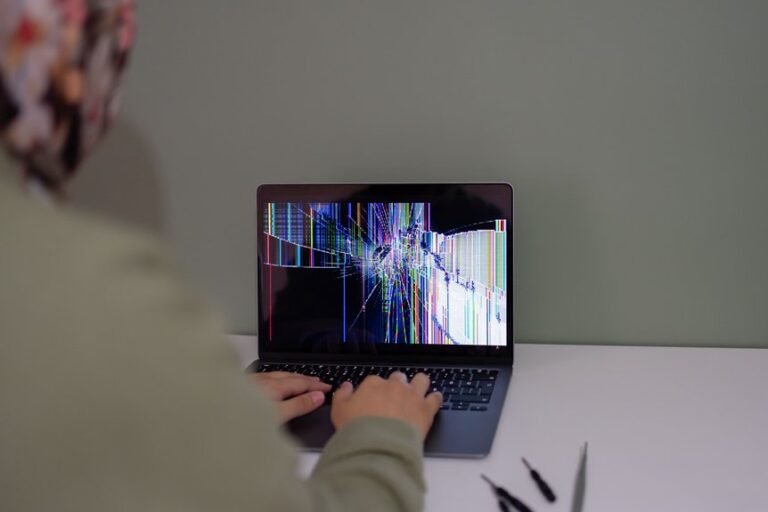
Practical troubleshooting emerges from a structured, user-centered examination of friction points encountered during the 7405203346 implementation, with an emphasis on repeatable diagnostic steps and measurable outcomes. The analysis remains empirical, iterative, and objective, detailing concrete best-case scenarios. It notes disconnected interfaces as a trigger for corrective action and highlights latency spikes as a measurable performance constraint, guiding practical improvements.
Frequently Asked Questions
Could 7405203346 Be Used for Malicious Activities Despite Safeguards?
The question acknowledges potential misuse risks, but safeguards remain largely effective; 7405203346 could be misused in theory, yet ongoing evaluation shows safeguard effectiveness improves with iterative, user-centric updates, ensuring responsible use and preserving freedom.
What Are the Long-Term Costs of Relying on 7405203346?
The long term costs include maintenance requirements and data governance challenges, with scale considerations and security implications shaping user adoption; empirical evidence suggests ongoing iteration improves outcomes, though sustained investment remains essential for freedom-minded users.
How Does 7405203346 Handle Edge-Case Inputs?
Edge-case handling shows cautious input validation; the system flags anomalies, then iterates toward safe defaults. In parallel, users experience freedom as validations guide, adjust, and recover gracefully, balancing robustness with accessible, iterative interaction.
Are There Industry-Specific Compliance Risks With 7405203346?
The article notes that there are industry-specific compliance risks with 7405203346, demanding continuous risk assessment and adaptation. It describes the compliance landscape as evolving, user-centric, and iterative, emphasizing freedom to respond to regulatory variability and audits.
What Guarantees Exist for 7405203346’s Future Updates?
Like a cautious compass, it answers: there are no formal guarantees for future updates. However, update guarantees depend on providers; users should evaluate long term costs, compliance risks, edge case inputs, and potential malicious activities through iterative, empirical assessment.
Conclusion
A 7405203346 functionalizes as a user-facing probe, not a fault line. In practice, obstacles—accessibility gaps, device quirks, and opaque interfaces—signal friction, not failure, inviting iterative, data-driven fixes. When privacy and accuracy remain front and center, trust follows like footprints in fresh snow: visible, tentative, and reversible with transparent data practices. The pragmatic course is repeatable diagnostics, objective latency checks, and autonomous refinement, yielding steady, user-centered improvements rather than dramatic, one-off breakthroughs.